In the world of technology, power adapters play a crucial role in ensuring seamless operation and charging for various devices. Today, we’ll delve into a comparative analysis between the 45W Dell XPS 13 9333 9343 P29G AC Power Adapter Charger Cord and the 65W Lenovo Thinkpad S440 20AY005TCD Adapter Charger.
45W Dell XPS 13 9333 9343 P29G AC Power Adapter Charger Cord
The 45W Dell XPS 13 9333 9343 P29G AC Power Adapter Charger Cord is a power adapter designed for specific laptop models. This adapter is compact and lightweight, making it highly portable for users who require a power solution on the go. It comes with a standard cord for connecting to power sources, providing a hassle-free charging experience.
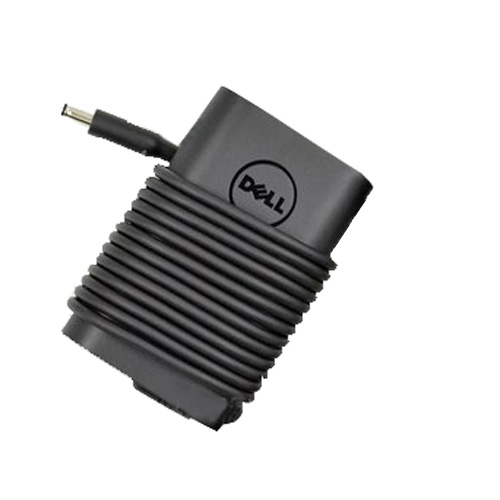
Pros:
- Compatibility: Tailored specifically for specific laptops models, ensuring seamless integration and optimized performance.
- Portability: Its compact design makes it an excellent choice for users who need a travel-friendly power solution.
- Efficiency: Offers DC power output, suitable for regular charging needs.
Cons:
- Limited Compatibility: Its compatibility is restricted to specific Asus models, limiting its versatility across a broader range of devices.
- Lower Power Output: The DC power output might be insufficient for charging high-power devices or supporting multiple functions simultaneously.
65W Lenovo Thinkpad S440 20AY005TCD Adapter Charger
The 65W Lenovo Thinkpad S440 20AY005TCD Adapter Charger is a more versatile and high-powered solution compared to the Asus adapter. Specifically designed for the 45W HP Pavilion x360 11-k014nw 11-k107nf 11-k065sa Adapter and other compatible devices, this adapter comes with a USB-C connector, offering not just charging capabilities but also additional functionality for USB-C compatible devices.
Pros:
- Versatility: Designed for compatibility with a range of devices, especially those that support USB-C connections.
- Higher Power Output: Offers DC power, making it suitable for charging higher-power devices and supporting multiple functions simultaneously.
- USB-C Functionality: Beyond charging, the USB-C interface opens doors for additional functionalities, such as data transfer or display output.
Cons:
- Compatibility Limitation: While it supports a broader range of devices due to the USB-C interface, it might not be suitable for devices lacking USB-C compatibility.
- Size and Weight: The higher power output and additional functionalities might result in a slightly larger and less portable adapter compared to the Asus option.
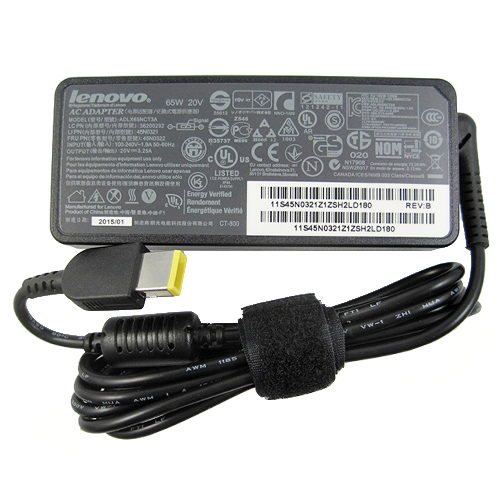
Comparative Analysis
The choice between these two adapters largely depends on the user’s specific needs and device compatibility. If you own 45W HP Pavilion x360 11-k014nw 11-k107nf 11-k065sa Adapter it is a tailored and efficient solution. However, if you’re looking for a more versatile adapter that supports higher power needs and USB-C functionalities, the Toshiba Satellite P505-S8002 AC Adapter Charger 120W becomes the obvious choice.
In conclusion, both adapters excel in their respective niches. The adapter offers a compact, device-specific solution, while another adapter provides versatility and higher power output, especially for USB-C compatible devices. The final decision boils down to individual preferences, device compatibility, and specific requirements.
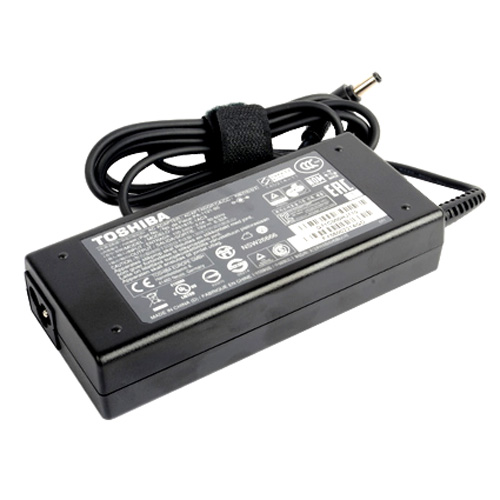
Remember to always double-check compatibility and power needs before purchasing any adapter to ensure it meets your device’s specifications and your usage demands.
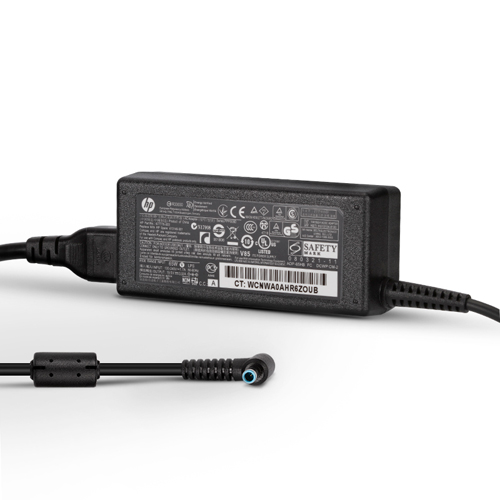
This comparison sheds light on the importance of understanding your device’s requirements and the features offered by power adapters before making a purchase. Choose wisely to optimize your charging and power needs efficiently.